
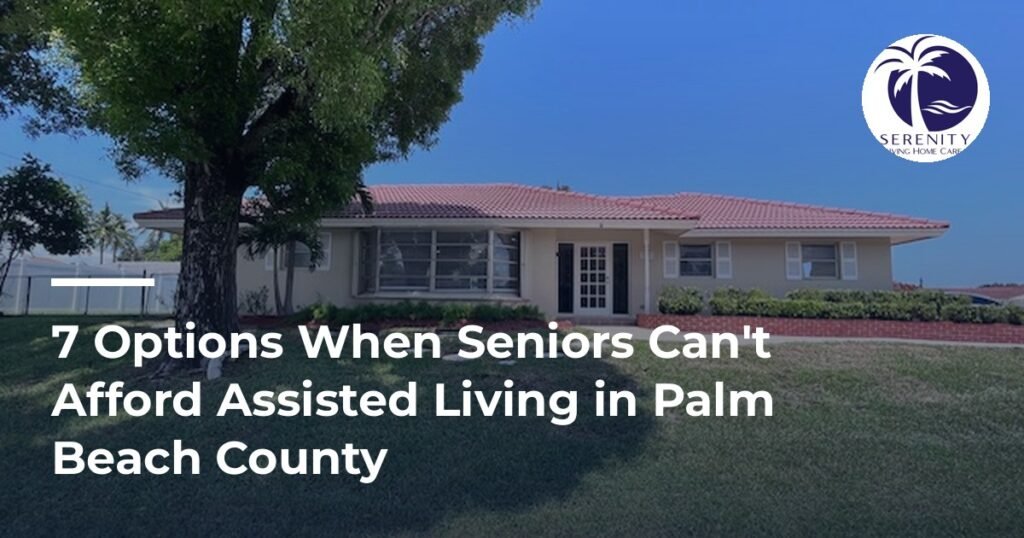
By Stephanie Heredia, Administrator, Serenity Living Home Care. Last updated: October 2026.
Hi, I’m Stephanie. I run two small assisted living homes in Palm Beach Gardens, and price is the number one reason families tell me they hesitate after a tour. Many calls start the same way: “Mom needs help, but we can’t afford assisted living. What do we do?” If that’s you, take a breath. You’re not the first family to ask, and there are more senior living options than most people realize.
In this guide I’ll walk you through seven real options for seniors and their families in Palm Beach County, Florida, from Medicaid programs and VA benefits to local help that costs little or nothing. This isn’t legal or financial advice, but it is the list I wish every family had before the first hospital discharge.
What If I Need Assisted Living but Can’t Afford It? Senior Living Costs and Options
If you need assisted living but can’t afford it, start by getting screened for Florida Medicaid long-term care, check VA benefits if you or your spouse served, and call the local Aging and Disability Resource Center. While you wait, adult day care, in-home help, family support and a smaller, lower-cost home can bridge the gap.
The cost of assisted living is real. The 2024 Genworth and CareScout Cost of Care Survey puts the Florida median at about $5,324 a month for a private assisted living unit. For many families, income alone doesn’t cover it.
The honest answer: it depends on the person’s care needs, income and assets, and the cost of assisted living varies widely, so the right senior living plan looks different for every family. Write down your parent’s income, savings and long-term care needs first; it makes comparing care options and payment options much easier. Someone with limited income who needs help with activities of daily living, like bathing, dressing or managing medications, may qualify for help that a person with more savings won’t.
Option 1: Apply for Florida Medicaid Long-Term Care (SMMC LTC)
Florida’s Statewide Medicaid Managed Care Long-Term Care program can help pay for care services in participating assisted living facilities for people who qualify medically and financially. The first step is a phone screening with your local Aging and Disability Resource Center.
In Palm Beach County, the Aging and Disability Resource Center is the Area Agency on Aging of Palm Beach/Treasure Coast. Call its Helpline at 1-866-684-5885, Monday to Friday, 8 a.m. to 5 p.m., or the statewide Elder Helpline at 1-800-96-ELDER (1-800-963-5337). Here’s how the process works:
- Screening: a phone interview of about 45 minutes to an hour gives your parent a priority score and a place on the waitlist.
- Waitlist: long-term care services are released by priority, so apply early, even before you think you need it.
- Financial eligibility: the Florida Department of Children and Families checks income and assets. For 2026, DCF lists a standard income limit of $2,982 a month and $2,000 in countable assets for one person; married couples and special income trusts follow different rules.
- Medical eligibility: the state’s CARES program confirms the level of care needed.
One thing that surprises families: Medicaid may pay for care services, but it generally doesn’t pay for room and board in assisted living. Your parent’s own income usually covers that part. If your parent can qualify for Medicaid, it may also cover a broader range of services, including in-home care, adult day care and nursing home care, so the same application helps whether they move to assisted living or stay living at home.
We accept Medicaid at our homes, and I’m happy to explain how it works with us. I go deeper into Medicaid waiver details in my guide to smart ways to pay for assisted living.
Option 2: Optional State Supplementation (OSS) for Limited Income
Optional State Supplementation is a Florida cash program that helps low-income older adults and people with disabilities pay for living in a licensed assisted living facility or adult family-care home. You apply through the Department of Children and Families on MyACCESS.
OSS is for people with limited income, such as Supplemental Security Income or a small Social Security check, and very few assets (DCF’s 2026 standards list a $2,000 asset limit for one person). The amount depends on income, and the home must accept the OSS rate, so ask first. Paired with Medicaid, it can make assisted living possible for someone with very little money.
Option 3: VA Aid and Attendance for Veterans and Surviving Spouses
VA Aid and Attendance is an added monthly pension payment for wartime veterans and surviving spouses who need help with daily living. For December 2025 through November 2026, the maximum is $29,093 a year (about $2,424 a month) for a veteran with no dependents.
This is the benefit families miss most often. The United States Department of Veterans Affairs pays the difference between countable income and the maximum rate, and assisted living costs count as medical expenses, which can raise the benefit. The VA’s current net worth limit is $163,699 (assets plus annual income, not counting the home or car).
- Call the VA at 1-800-827-1000 or apply online at VA.gov.
- Get free help from an accredited Veterans Service Officer. Palm Beach County has a Veteran Services office that helps with claims.
- Avoid anyone who charges a fee to “help you qualify.” Accredited help is free.
We accept VA Aid and Attendance at both of our homes.
Option 4: Home Care and Care Services Through the Area Agency on Aging
While you wait for Medicaid or a bed, the Area Agency on Aging can connect your parent with in-home help, meals, caregiver support and programs like Community Care for the Elderly, which helps seniors keep living at home safely.
The Area Agency on Aging of Palm Beach/Treasure Coast serves Palm Beach, Martin, St. Lucie, Indian River and Okeechobee counties. Its Helpline staff speak English, Spanish and Creole. Ask about:
- Community Care for the Elderly (CCE): in-home services like personal care and homemaking for older adults
- Home Care for the Elderly: support for families who care for a parent at home
- Meals: home-delivered and group meal programs
- Caregiver support: respite, education and support groups, including help for families living with dementia
- PACE: Palm Beach PACE, run by MorseLife, is a Program of All-Inclusive Care for the Elderly for Palm Beach County adults 55 and older who need a nursing home level of care but can live safely in the community with support
If you’re weighing care at home against a move, my comparison of assisted living vs. home care in Florida may help.
Option 5: Adult Day Care and Respite Care in Palm Beach County
Adult day care gives seniors supervision, meals and activities during the day while family members work, and costs far less than full-time assisted living. Palm Beach County runs adult day care programs, including one on Northlake Blvd. near Palm Beach Gardens.

The 2024 CareScout survey puts adult day care in Florida at a median of about $2,600 a month, less than half the cost of assisted living. Palm Beach County’s Division of Senior Services runs the North County Adult Day Care at 5217 Northlake Blvd. (561-694-5440), with supervision, meals, recreation, health monitoring and caregiver support groups. For general information, call the Division of Senior Services at 561-355-4746.
Respite care is another bridge. A short stay gives a family caregiver a break, or gives your parent a chance to try assisted living before a full move. We offer respite stays when we have a room open. Read more about adult day care vs. assisted living.
Option 6: Use Social Security, Insurance or Home Equity to Cover Living Expenses
Families can often find money to pay for long-term care in assets they already have: a long-term care insurance policy, a life insurance policy with living benefits, or home equity from selling or renting the family home.
These are worth checking before you decide you can’t afford senior living:
- Long-term care insurance: dig out old long-term care insurance policies; one that provides coverage for long-term care may cover assisted living or memory care. Many cover care in assisted living once a person needs help with two or more activities of daily living or has a cognitive impairment. Check the elimination period and daily benefit.
- Life insurance: some policies allow an accelerated benefit for chronic illness, or can be sold or converted to help pay for care.
- Home equity: selling or renting the house is how many families cover senior living costs. A reverse mortgage usually only works while your parent still lives at home, so it’s more often used to pay for in-home care services.
- Family contributions: siblings often share the cost.
Social Security and pension income usually cover part of the bill, and retirement savings often cover the rest for a while. Please talk to a financial planner or elder law attorney before you move money. Medicaid looks back five years at gifts and transfers, and a well-meant gift can delay eligibility. If you’re asking how to avoid giving all your money to a nursing home, that’s a question for an elder law attorney, and the answer is usually planning early. See my post on living trusts in Florida.
Option 7: Choose a Smaller Home, a Shared Room or the Right Level of Memory Care
Costs of assisted living vary a lot. A small residential home or a semi-private room often costs less than a large senior living community, and matching the type of care to real care needs keeps you from paying for amenities your parent won’t use.
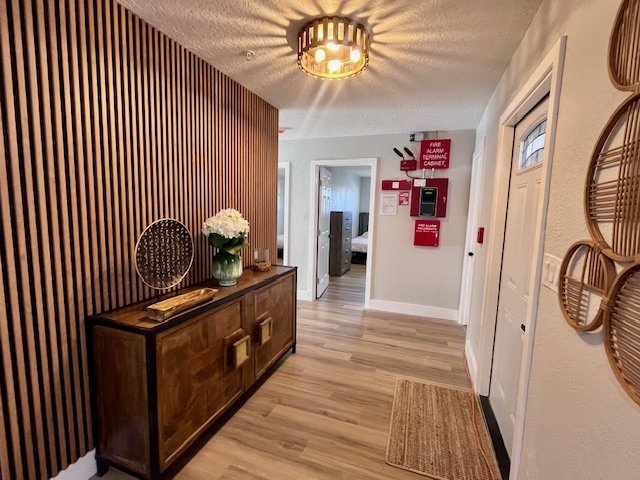
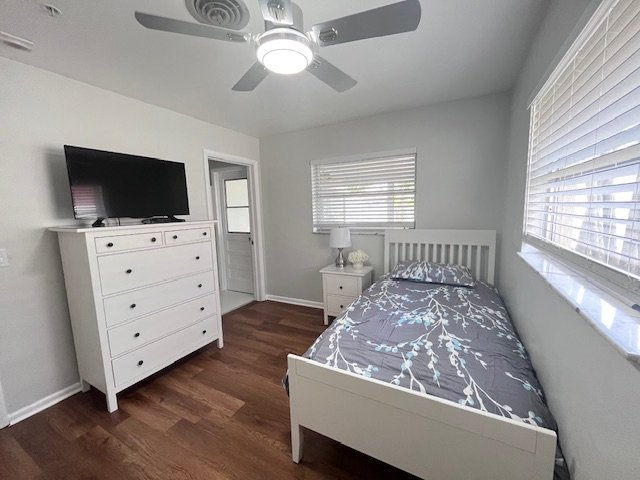
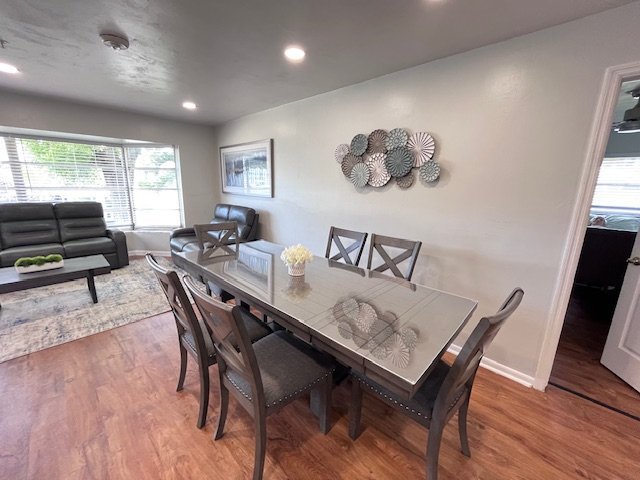
Large senior living communities and memory care communities price in pools, restaurants and clubhouses. Small homes like ours put the money into care. Assisted living provides help with personal care, meals and medications, and the assisted living services you actually need matter more than the building. At our homes, assisted living runs about $5,500 to $6,500 a month and memory care about $6,000 to $7,000, depending on care needs and room type, plus a one-time $1,500 move-in fee. We have both private and semi-private rooms, and a shared room lowers the monthly cost.
It also helps to be clear about what level of care is needed:
- Independent living or senior housing: lower cost, but no personal care; fine for a parent who is still safe alone
- Assisted living: help with daily living, medications, meals and supervision
- Memory care: assisted living plus closer supervision for people living with dementia; see how much memory care costs in Palm Beach Gardens
- Nursing home care: skilled nursing care around the clock; the most expensive care facility, but Medicaid covers it for people who qualify
Compare the cost of assisted living with what care at home really costs. The same CareScout survey puts a home health aide in Florida at a median of about $5,720 a month for 44 hours a week, which isn’t round-the-clock care. My guide to assisted living costs in Palm Beach County breaks this down further.
Will Medicare Pay for Assisted Living in Florida?
No. Medicare doesn’t pay for long-term care in assisted living, including room, board or help with daily living. Medicare may cover doctor visits, hospital stays, some therapy, hospice and a short skilled nursing stay after a qualifying hospital stay.
This is the most common misunderstanding I hear. Medicare is health insurance; most assisted living is custodial care, meaning assistance with daily living, so Medicare won’t cover assisted living or long-term care costs. For free, unbiased Medicare counseling, Florida’s SHINE program is available through the Elder Helpline at 1-800-963-5337.
What Happens If You Run Out of Money in Assisted Living?
If a resident runs out of money, the family should talk to the administrator right away and apply for Medicaid long-term care and other benefits. In Florida, assisted living residents generally have the right to 45 days’ notice before being asked to leave, except for medical or safety reasons.
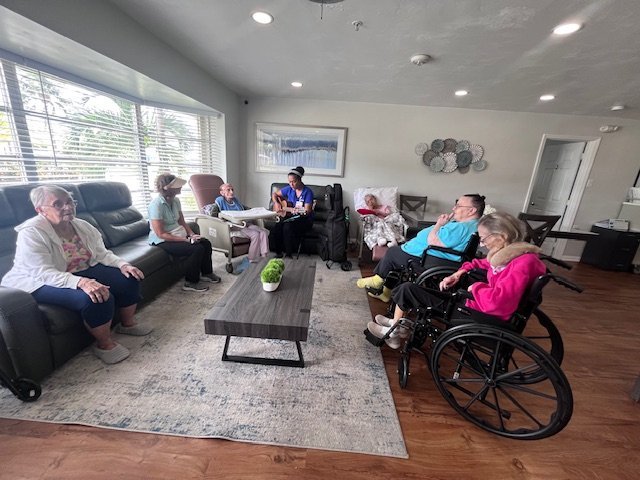
My two cents: don’t wait until the last check bounces. Tell the home early. Ask, before move-in, whether the home accepts Medicaid and what happens when private funds run low. Not every home does. With planning, a move doesn’t have to be a crisis.
Can a nursing home kick you out if you run out of money?
A nursing home that accepts Medicaid generally can’t discharge a resident just because they’ve switched from private pay to Medicaid while an application is pending. Rules differ for assisted living, so read the contract, and call the Florida Long-Term Care Ombudsman Program at 1-888-831-0404 if you’re worried about a discharge.
Can family members be held liable for an elderly parent living alone?
In general, adult children aren’t legally responsible for a parent’s care costs just because they’re family, but anyone who has taken on the role of caregiver has responsibilities. If you’re worried about an elderly person who is no longer safe living at home, call the Florida Abuse Hotline at 1-800-962-2873 or talk to an elder law attorney.
FAQs: How to Afford Senior Living Expenses
Where do seniors go if they can’t afford assisted living?
Many stay at home with in-home help and adult day care, move in with family, or move to a Medicaid-participating assisted living facility once they’re off the waitlist. Seniors who need daily skilled care may go to a nursing home, which Medicaid covers for people who qualify.
How do you get someone into assisted living with no money?
For assisted living with no money in Florida, apply for Medicaid long-term care and OSS, and check VA benefits. Choose a home that accepts Medicaid and the OSS rate. Expect a wait, and use local senior services in the meantime.
What is the cheapest way for a senior to live?
Living with family or in subsidized senior housing, such as housing funded by the U.S. Department of Housing and Urban Development (HUD), is usually cheapest, with in-home help or adult day care added as needs grow.
Do you accept Medicaid and VA benefits?
Yes. At our Palm Beach Gardens homes we accept private pay, VA Aid and Attendance and Medicaid. Ask me about long-term care insurance too.
Talk to Me About Your Options
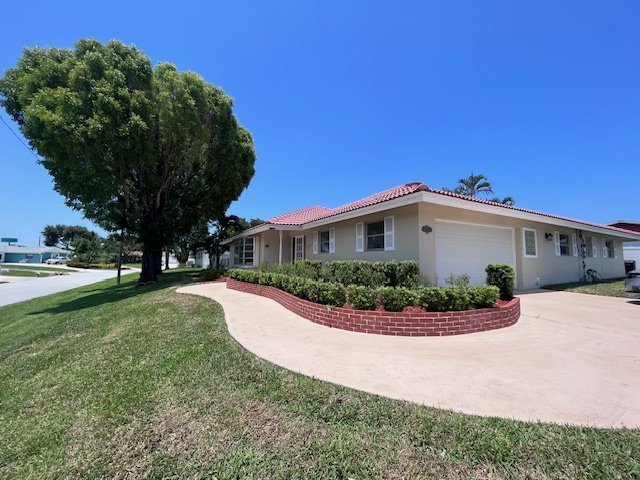
When families tell me they can’t afford assisted living, the answer usually isn’t “no.” It’s “not yet,” or “not this way.” With the right mix of benefits, family help and the right senior living choice, many families are able to afford assisted living, or a care plan that works until they can. I’ll give you an honest estimate and tell you plainly whether we can help, and point you to other resources if we can’t. Call (561) 354-3476 or contact us. I give tours of our Buttercup Circle home and our Holly Drive home myself, any day from 9 a.m. to 6 p.m. Bring my 20-question tour checklist with you.
If memory loss is part of the picture, read my signs it may be time for memory care too.
Warmly,
Stephanie