Serenity Living Home Care

Assisted Living In Palm Beach Gardens: Experience Exceptional Care for Your Loved One in Palm Beach Gardens

Your new home for senior living prioritizes safety, dignity, and community. Our intimate homes are designed for comfort, to build strong bonds, instill belonging, and provide reassurance of safety. Here, every day brings joy, dignity, and the warmth of a close-knit community.

2 homes in Palm Beach Gardens24 hour caregiversAssisted living and Alzheimer's & dementia support

We'd love to hear from you!

Reach out now to connect with us. Prefer the phone? (561) 354-3476

Reviews

Hear What Others Have To Say About Our Palm Beach Gardens Assisted Living Facility

Everyday care

What Our Assisted Living Home Care Services in Palm Beach Gardens Include

Personal Care Assistance

Bathing, dressing and grooming support provided with full respect for each resident's privacy and pace.

Medication Management for Seniors

The right medication at the right time, every day. Accurate, consistent and never left to chance.

Mobility Assistance

Safe support with transfers, walking and getting outside for seniors who need help moving around the home.

24 Hour Senior Care

A trained caregiver on site every hour of every day, including nights, weekends and holidays.

Meal Preparation

Fresh home cooked meals prepared daily and adapted to each resident's dietary needs and health requirements.

Housekeeping and Laundry Services

Clean clothes, clean spaces. We handle it so residents can focus on everything else.

Weekly Activities

Gardening, music, games, crafts and more. A full weekly program built around what residents actually enjoy.

Companionship Care

Real conversation, shared meals and a familiar face every day. For seniors, that consistency changes everything.

Our locations

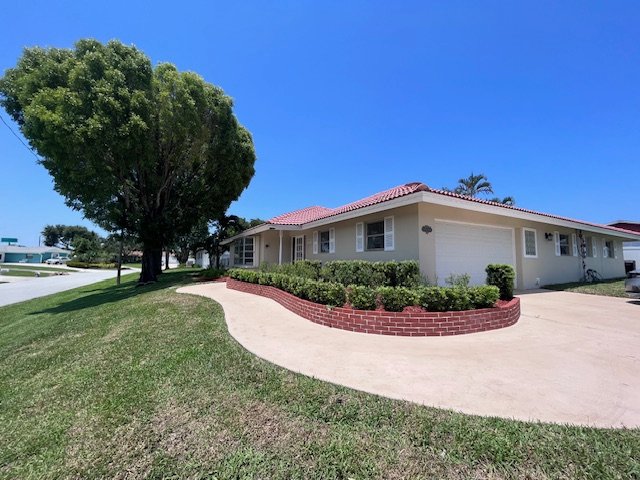
Two Homes in Palm Beach Gardens

Serving our local communities, including Jupiter, Tequesta, Juno Beach, North Palm Beach, Palm Beach Shores, Riviera Beach, Lake Park and West Palm Beach.

Photo gallery

Our Locations in Photos

FAQ

FAQ for Assisted Living Homes in Palm Beach Gardens

What is the difference between care homes and assisted living facilities?
  • Care Homes: Lower level of care, small and intimate setting.
  • Assisted Living Facilities: Higher level of care, larger facility, may include dementia support units and independent living areas.
What is the difference between an assisted living home and an assisted living facility?
  • Assisted Living Home: This is a residential setting where seniors have rooms, and caregivers (not nurses or doctors) provide care. It’s a safe, clean, and intimate option for seniors seeking a home-like environment.
  • Assisted Living Facility: These are larger buildings or facilities where seniors live. The level of care is higher, often with both caregivers and nurses. Some assisted living facilities may offer luxury amenities but tend to be more expensive than assisted living homes.
Does Florida allow Medicaid to pay for assisted living?

Yes, in Florida, Medicaid can be used to cover the costs of assisted living facilities, nursing homes, and in-home nursing care for elderly relatives who have limited resources and meet the eligibility criteria. Medicaid was created to ensure that people with few resources can access the late-in-life care they need.

Is there a difference between a care home and a nursing home?

Yes, there is a distinction between the two:

  • Care Home: A care home, often referred to as a residential care home or assisted living home, is a smaller, more intimate setting where seniors receive assistance with daily activities such as bathing, dressing, and medication management. Care homes typically offer a homelike environment.
  • Nursing Home: A nursing home, on the other hand, provides a higher level of medical care. It is a facility staffed by healthcare professionals, including nurses and doctors, capable of providing round-the-clock medical attention. Nursing homes are better suited for seniors with more complex medical needs.
What is the difference between residential care and assisted living?

The primary difference between residential care and assisted living lies in the size and amenities offered. Assisted living communities typically have more than 25 residents, while board and care homes for seniors have fewer than 10. While some assisted living communities offer 24-hour care, which is less common in residential care homes, the key distinctions are in the size and breadth of amenities provided.

What is provided in a care home?

In a care home, residents receive a comprehensive range of supportive services to ensure their well-being and comfort. This includes assistance with essential activities of daily living like bathing, dressing, and grooming, along with the administration of medications. Medication management is a crucial aspect of care homes, where trained caregivers not only dispense prescribed medications but also provide timely reminders to ensure residents take their medications as prescribed. This meticulous attention to medication schedules helps seniors maintain their health and manage chronic conditions effectively, promoting their overall quality of life in a safe and nurturing environment.

What is the difference between a care home and home care?

The main difference between a care home and home care is the setting and level of assistance provided. A care home is a residential facility where elderly individuals live, and trained staff assist them with daily tasks such as bathing, dressing, medication management, and toileting within the facility. In contrast, home care involves receiving support from a caregiver while remaining in your own home. Home care services can include assistance with daily activities, companionship, and other forms of support tailored to the individual’s needs, allowing seniors to maintain their independence in the comfort of their own home.

Why is an assisted living home a good option for seniors?

Assisted living homes can be an excellent choice for seniors for several reasons. Private assisted living homes, in particular, offer a more personalized approach to caregiving. With a lower resident-to-staff ratio compared to larger facilities, caregivers in private assisted living homes can provide tailored services that meet the unique needs of each resident. This individualized care can result in a higher quality of care and more personalized attention, enhancing the overall well-being and comfort of seniors in a home-like environment.

What are the most common types of senior living options?

The most common senior living options include independent living communities, assisted living facilities, dementia support units, nursing homes, care homes, and in-home care services. These options offer varying levels of care and support to accommodate the evolving needs of older adults. As seniors’ requirements change, they may consider transitioning from one type of community or service to another to ensure they receive the appropriate level of care and assistance.

At what age do most seniors go into assisted living?

The age at which seniors enter assisted living can vary, but statistics show that slightly more than half of all residents nationwide are 85 or older. Roughly a third of residents fall between the ages of 74 and 85, and one in every ten residents is between 65 and 74 years old. Only a few residents are 64 or younger. On average, seniors in facilities that provide living assistance have an average age of 87 when they enter such communities.

How long do most people live in assisted living?

On average, most people live in assisted living for about 28 months. This information is based on a report published jointly by the American Health Care Association and the National Center for Assisted Living.

When should a person go into a care home?

A care home may be the best option if you or someone you know is experiencing one or more of the following situations:

  • Struggling to live alone, even with assistance from friends, family, or paid caregivers.
  • Has undergone a needs assessment that indicates a care home is the most suitable choice.
  • Has a complex medical condition requiring specialized attention both day and night.

Entering a care home can provide the necessary support and care for individuals facing these challenges, ensuring their safety and well-being.

How long do people live in a care home?

Life expectancy for care home residents between 2021 and 2022 varied by age group and gender. For females, it ranged from 7.0 years in the age group 65 to 69 years to 2.9 years at age 90 years and over. For males, life expectancy ranged from 6.3 years in the age group 65 to 69 years to 2.2 years at age 90 years and over. These figures reflect the expected remaining years of life for care home residents in different age categories during that time period.

How do you tell someone they are going into a care home?

When discussing the transition to a care home with a loved one, it’s essential to choose a quiet space without background noise, maintain eye contact to convey your sincerity, speak slowly and clearly using short sentences, and avoid rushing through the conversation. Give your loved one time to process the information by allowing pauses between each point you share. This approach ensures that the discussion is respectful, compassionate, and considerate of their feelings and needs during this important decision-making process

How do I settle into an assisted living home, which is often considered better than a care home?

Settling into an assisted living home, which many consider a preferable option to traditional care homes, involves similar steps:

  • Personal Touch: Bring items that make you feel at home, such as a favorite photo or a comfy chair, if allowed by the assisted living facility.
  • Check Guidelines: Verify with the facility what personal belongings are permitted, and create a list of items you’d like to bring.
  • Communicate Preferences: When you move in, communicate your preferences to the staff. They will collaborate with you to develop a care plan that aligns with your needs and desires.

Assisted living homes often offer a more independent and home-like environment, making it easier to settle in comfortably. By personalizing your space and sharing your preferences, you can enhance the transition to an assisted living home, which many find to be a more appealing alternative to traditional care homes.

Does Social Security pay for assisted living in Florida?

Social Security can be a significant source of income for seniors in Florida and can contribute to covering the cost of assisted living. However, it is important to note that Social Security alone is typically not sufficient to cover the entire cost of assisted living. It may cover a portion of the expenses, but additional financial resources, such as savings, pensions, or assistance programs, may be required to cover the remaining costs of assisted living in Florida.

Does the state of Florida pay for assisted living?

In Florida, if you are over 65 and eligible for Medicaid, you may qualify for the Florida Statewide Medicaid Managed Care Long-Term Care Program, which can cover the cost of assisted living care in certain cases. However, eligibility for Medicaid assistance for assisted living is contingent on meeting specific medical and financial criteria. It’s essential to assess your eligibility and go through the application process to determine if you qualify for this state program to help cover the expenses associated with assisted living in Florida.

What is the Medicaid Assisted Living Waiver in Florida?

The Medicaid Assisted Living for the Elderly (ALE) Waiver in Florida is a program designed to assist elderly individuals who have been assessed as needing significant assistance with activities of daily living. Instead of residing in a nursing home, these individuals have the option to receive the necessary care and support in an assisted living residence. The ALE Waiver program aims to provide seniors with more choices for their long-term care while ensuring that their specific needs are met in an assisted living setting, promoting independence and quality of life.

What is the average cost of assisted living in Palm Beach County?

In Palm Beach County, specifically West Palm Beach, the average monthly cost for assisted living care varies. Please Contact Us for Availability and Pricing. This cost may vary depending on the specific assisted living facility, the level of care needed, and other factors, but it provides a general idea of the expenses associated with assisted living in the area.