
Gardening for Seniors: Benefits, Safety, and Adaptive Ways to Stay Involved

Key Takeaways

  • Gardening for seniors supports physical, cognitive, emotional, and social wellbeing when activities are adapted to each person.
  • Safe gardening for seniors requires attention to heat, fall risks, tool comfort, and thoughtful garden design.
  • Adaptive gardening for seniors uses raised beds, containers, seating, and larger‑handle tools to work around arthritis and limited mobility.
  • Assisted living communities can integrate gardening for seniors into regular activities, helping residents rediscover passion and feel part of a social community.
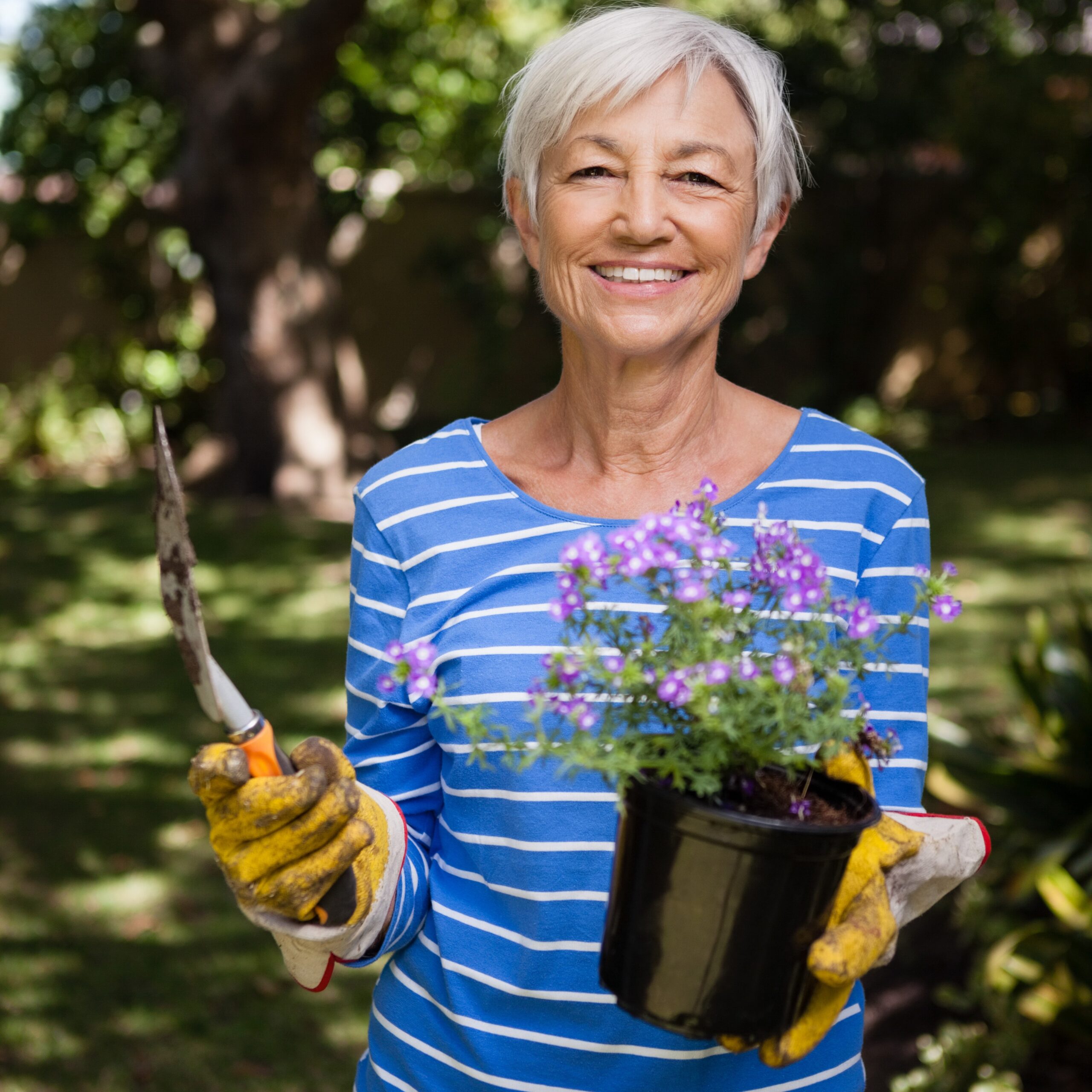
Gardening for seniors is much more than a pleasant pastime. For older adults, tending plants can support physical health, sharpen thinking, lift mood, and create meaningful daily routines in ways that fit their changing abilities. When gardening is set up thoughtfully—with safe paths, adaptive tools, and small, manageable planting areas—it becomes a powerful part of healthy aging rather than a risky chore. Whether an older adult lives at home or in assisted living, gardening for seniors can be tailored to provide comfort, purpose, and connection.

In Palm Beach Gardens, where outdoor spaces are a central part of daily life, gardening for seniors at Serenity Living Home Care offers a practical way to bring nature, movement, and social interaction together in a home‑like setting.

What “gardening for seniors” really means

Gardening for seniors is less about traditional, intensive yard work and more about steady, comfortable engagement with plants and outdoor spaces. At younger ages, gardening might involve heavy digging, hauling soil, and managing large gardens. For older adults, the focus shifts to manageable tasks: watering containers, tending small beds, pruning, planting starter plants, or simply spending calm time among flowers and greenery. The point is to keep the activity enjoyable and safe while preserving the sense of ownership and pride that comes from caring for living things.

Gardening for seniors can happen in many settings. At home, it might be a balcony with a few pots or a small bed near the front step. In assisted living, it can be shared raised beds, patios lined with planters, or indoor plants in common areas. In each case, the goal is the same: give older adults a way to interact with nature regularly, in a way that respects their energy, balance, and health.

Health and wellbeing benefits of gardening for seniors

Gardening for seniors supports multiple aspects of health when practiced regularly and safely.

Physical benefits

Gardening naturally incorporates light physical activity: walking short distances, bending slightly, reaching, and using the hands. This gentle movement helps maintain strength, flexibility, and balance, which are important for fall prevention. Even small tasks—like watering or deadheading flowers—keep joints and muscles moving in a low‑impact way. For older adults advised to stay active, gardening offers a practical alternative to formal exercise that feels more like a meaningful routine than a workout.

Cognitive and emotional benefits

Gardening for seniors also engages the mind. Remembering plant names, tracking watering schedules, noticing seasonal changes, and making small decisions about plant care all support attention and memory. Emotionally, gardening can reduce stress and provide a sense of calm, similar to other creative or nature‑based activities. Watching a plant grow over weeks or months offers a visible reminder that their efforts matter, which can be especially reassuring for someone navigating age‑related changes.

Social benefits

When gardening is shared—within a family or in assisted living—it becomes a social anchor. Seniors may swap tips, compare blooms, or simply enjoy conversation while working side by side. This shared focus makes it easier to connect, especially for people who might feel shy or unsure about starting conversations. In a community setting, gardening for seniors can be one of the activities that help residents feel they belong, contributing to the same sense of joy and connection described in resources on assisted living social communities.

Common challenges seniors face with gardening

Despite its benefits, gardening for seniors comes with specific challenges that families and communities need to consider.

  • Arthritis and joint pain: Sore, stiff joints can make gripping tools, kneeling, or standing for long periods difficult. Without adaptations, gardening may become painful rather than enjoyable.
  • Balance and strength changes: Age‑related changes increase the risk of falls, especially on uneven ground, wet surfaces, or when bending and reaching.
  • Heat and sun exposure: Seniors may be more sensitive to heat and dehydration, particularly in warm climates like Palm Beach Gardens. Unprotected outdoor gardening at midday can be risky.
  • Vision and fine motor changes: Lower vision or tremors can make detailed tasks (like handling small seeds or trimming fine stems) frustrating or unsafe.
  • Fatigue and energy levels: Long sessions of gardening may be tiring, and what used to be easy can now drain energy quickly.

Gardening for seniors needs to respect these realities. The goal is not to push someone to “garden like they used to,” but to shape gardening activities that fit who they are now, preserving the pleasure and meaning without unnecessary strain.

Adaptive gardening for seniors: keeping it accessible

Adaptive gardening for seniors is about modifying tools, spaces, and routines so older adults can work with plants comfortably and safely.

Tools and equipment

  • Use tools with larger, cushioned handles so they are easier to grip. Foam sleeves and ergonomic designs reduce strain on hands with arthritis.
  • Choose lightweight watering cans and hand tools to minimize lifting effort.
  • Provide seating options such as stable chairs or garden stools so seniors can work at a comfortable height rather than kneeling.

Garden layout

  • Raise planting areas with raised beds or tall planters, reducing the need to bend deeply or kneel on the ground.
  • Keep paths wide, flat, and free of obstacles, using non‑slip surfaces where possible.
  • Place frequently tended plants closest to seating areas and entrances to limit walking distance.

Activity design

  • Break gardening sessions into short, focused periods and include planned rest breaks.
  • Assign tasks based on ability: one person might water, another might help plan plant placement, and staff or family can handle heavier work.
  • Encourage seniors to participate in planning and observation as much as in physical tasks, so they can stay involved even when mobility is limited.

These adaptations mirror the general principle used in assisted living: adjust the environment to the person, not the person to the environment. Gardening for seniors becomes sustainable when the setup acknowledges arthritis, mobility changes, and energy levels upfront.

Safety guidelines for gardening for seniors

Safe gardening for seniors is essential. A few guidelines can significantly reduce risk while preserving the benefits.

  • Time of day: Schedule outdoor gardening for early morning or late afternoon to avoid extreme heat and sun.
  • Hydration and sun protection: Provide water, shade, sunscreen, and hats, and encourage short breaks.
  • Footwear and paths: Use sturdy, closed‑toe shoes and keep garden paths clear, dry, and well‑lit to prevent slips and trips.
  • Supervision and support: For seniors with dementia, significant balance issues, or serious medical conditions, gardening should be supervised or shared with staff or family.
  • Tool safety: Keep sharp tools to a minimum or reserve them for supervised use; focus seniors on safer tasks like watering, gentle pruning, and observation.
  • Health checks: Consider any doctor recommendations about bending, lifting, or heat exposure and tailor gardening activities accordingly.

These precautions ensure that gardening for seniors stays in the “healthy activity” category rather than becoming a hidden risk. Families and communities that treat safety as part of the gardening routine help older adults enjoy their time with plants more confidently.

Gardening for seniors in assisted living communities

Gardening for seniors can play a central role in assisted living life when communities commit to integrating it into daily routines. Rather than being a one‑off event, gardening becomes one of the ongoing activities that help residents rediscover their interests and feel at home.

At Serenity Living Home Care in Palm Beach Gardens, the focus on a small, home‑like environment makes it natural to incorporate gardening as part of ordinary days. Residents may tend shared containers on the patio, help choose seasonal flowers, or participate in light tasks during regular activity sessions. Staff handle the heavier or more complex work, leaving residents free to enjoy the parts of gardening that feel satisfying and within reach.

When gardening for seniors is offered as a regular, supported option, it can become a renewed passion—something a resident looks forward to, talks about, and takes pride in. Combined with the emphasis on social community and joy, gardening fits neatly into programs that keep seniors engaged emotionally and socially as well as physically.

How families can support gardening for seniors at home or in community

Families play an important role in supporting gardening for seniors, whether an older adult lives at home or in assisted living.

  • Start small and specific: Help set up one or two manageable gardening areas rather than an entire yard. A few containers or a modest raised bed may be enough.
  • Listen to preferences: Ask what plants or garden styles matter to your loved one—flowers, herbs, vegetables—and incorporate those choices to reinforce personal meaning.
  • Share the routine: Visit during cooler hours and participate together in watering, pruning, or simply sitting in the garden. The shared time can be as important as the gardening itself.
  • Tie gardening to other uplifting activities: Pair a quiet gardening session with reading positive quotes for seniors or sharing conversation, so the experience supports mood and connection.
  • Use community support: If the senior lives at Serenity Living Home Care or a similar community, talk with staff about gardening options and how they can be integrated into care plans.

Gardening for seniors becomes most powerful when families see it not just as “yard work,” but as one of the tools available for maintaining independence, happiness, and a sense of identity.

Conclusion

Gardening for seniors is not about keeping up a perfect landscape. It is about the steady, everyday benefits that come from tending plants: gentle movement, mental engagement, emotional calm, and the feeling of purpose that arises when living things respond to care. When safety and adaptation are built into the routine, gardening for seniors can remain a meaningful part of life well into older age, even for those with arthritis or limited mobility.

If you are considering a community where gardening, creativity, and social connection are part of the ordinary week, reaching out to the team at Serenity Living Home Care in Palm Beach Gardens can be a helpful next step. A conversation and visit can show you how gardening for seniors fits into a broader approach to care, passion, and community for the older adult you love.

Frequently asked questions about Gardening for Seniors


Yes. Gardening for seniors combines light physical activity, mental stimulation, and emotional satisfaction. When practiced safely, it can support balance, flexibility, mood, and a sense of purpose.

Many seniors with arthritis can continue gardening if activities are adapted: tools with larger handles, raised beds, seating, shorter sessions, and tasks that avoid heavy digging or prolonged gripping.

A senior‑friendly garden has accessible paths, raised or container planting areas, stable seating, good lighting, and plants that are easy to maintain. It minimizes bending, kneeling, and tripping hazards.

Gardening for seniors can reduce loneliness when done in shared spaces or group activities. Working side by side, talking about plants, and celebrating blooms together provide natural opportunities for connection.

Gardening can be safe in warm areas like Palm Beach Gardens when sessions are scheduled during cooler times, hydration and shade are provided, and heat‑sensitive seniors are monitored closely.

Yes. Many assisted living communities incorporate gardening for seniors into their activity calendars, using adapted spaces and tools so residents can participate comfortably with guidance from staff.

Begin with a small, accessible gardening area, choose plants your loved one likes, and plan short, regular times to tend the plants together. Focus on shared experience rather than productivity.

Even when physical tasks become difficult, seniors can stay involved by helping choose plants, giving input on garden design, observing seasonal changes, and enjoying time in the garden with family or staff.

Download Our

Free Ebook

"Signs Your Loved One May Need Assisted Living"